Origins
A chapel built to buy forgiveness
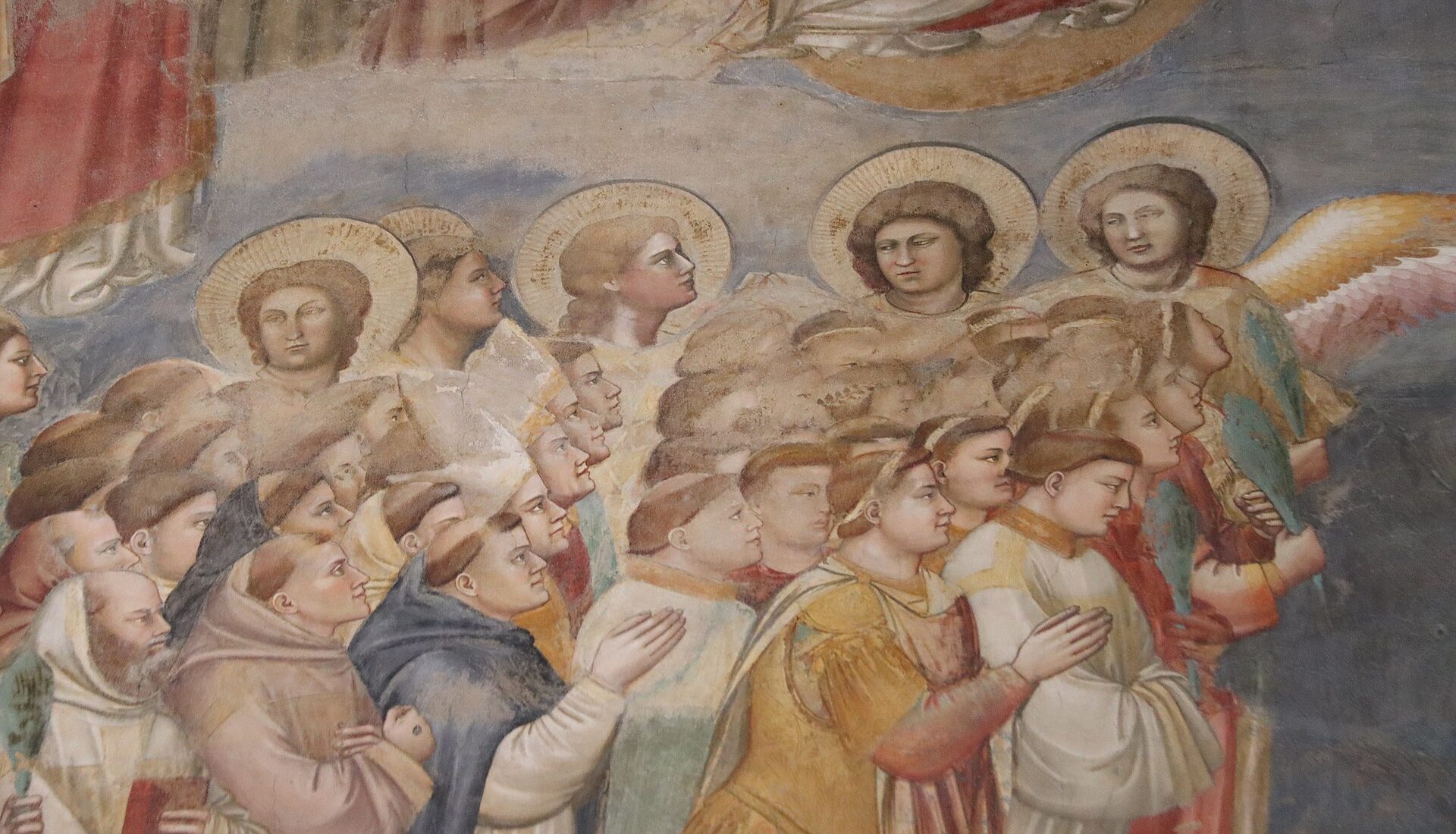
Enrico Scrovegni's father Reginaldo was a moneylender so notorious that Dante put him in Hell. Enrico bought the old Roman arena in 1300, built a palace on it and, beside it, a chapel dedicated to the Virgin of Charity — and gave it the most expensive decoration money could buy. The palace is gone; the chapel is not.
A timeline
Key moments at the Arena
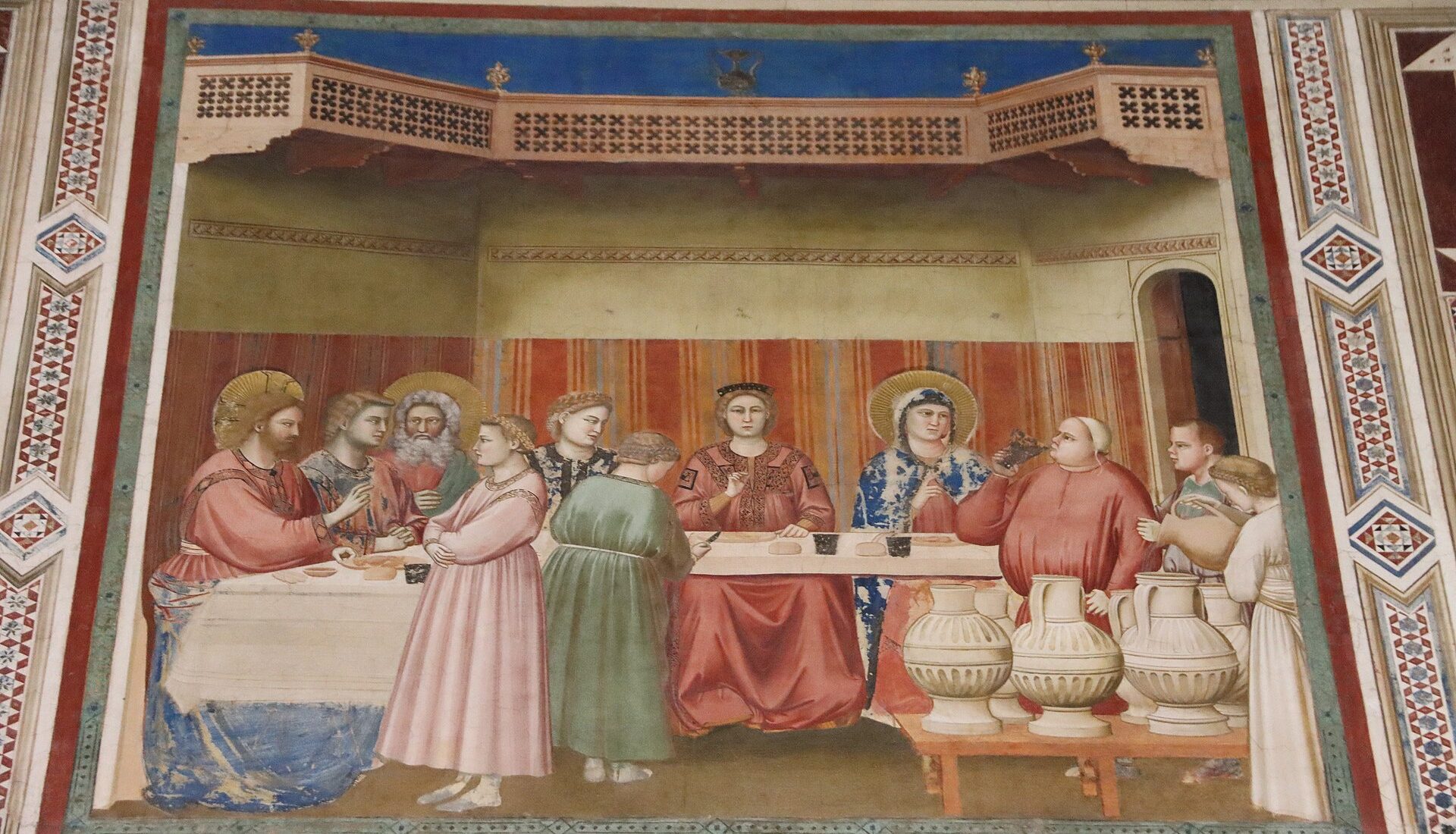
1300 — Enrico Scrovegni buys the Roman arena. 1303–1305 — Giotto paints the chapel. 1880 — the city of Padua buys the chapel. 2000–2002 — the major restoration and the climate-controlled entrance. 2021 — UNESCO World Heritage listing.
Giotto
When painting learned to breathe
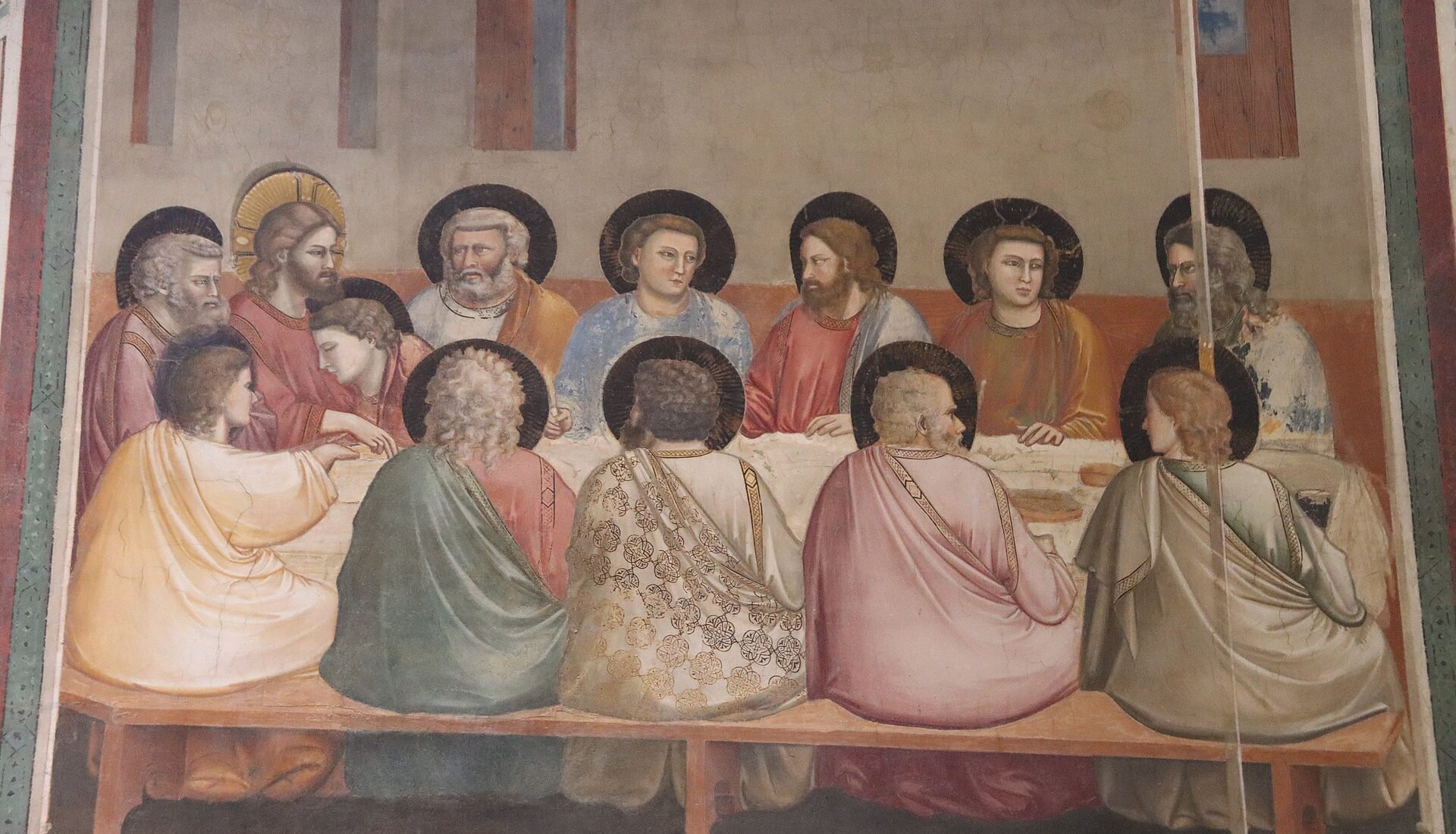
Giotto di Bondone was about 35 and already famous when he came to Padua. On these walls he did what no one had done in a thousand years: gave his figures real bodies, real emotions and real space to stand in. The Kiss of Judas and the Lamentation are among the most reproduced images in Western art.
Vasari wrote that Giotto 'brought back to life the true art of painting'. He was describing this room.
The building
A plain box built for one purpose
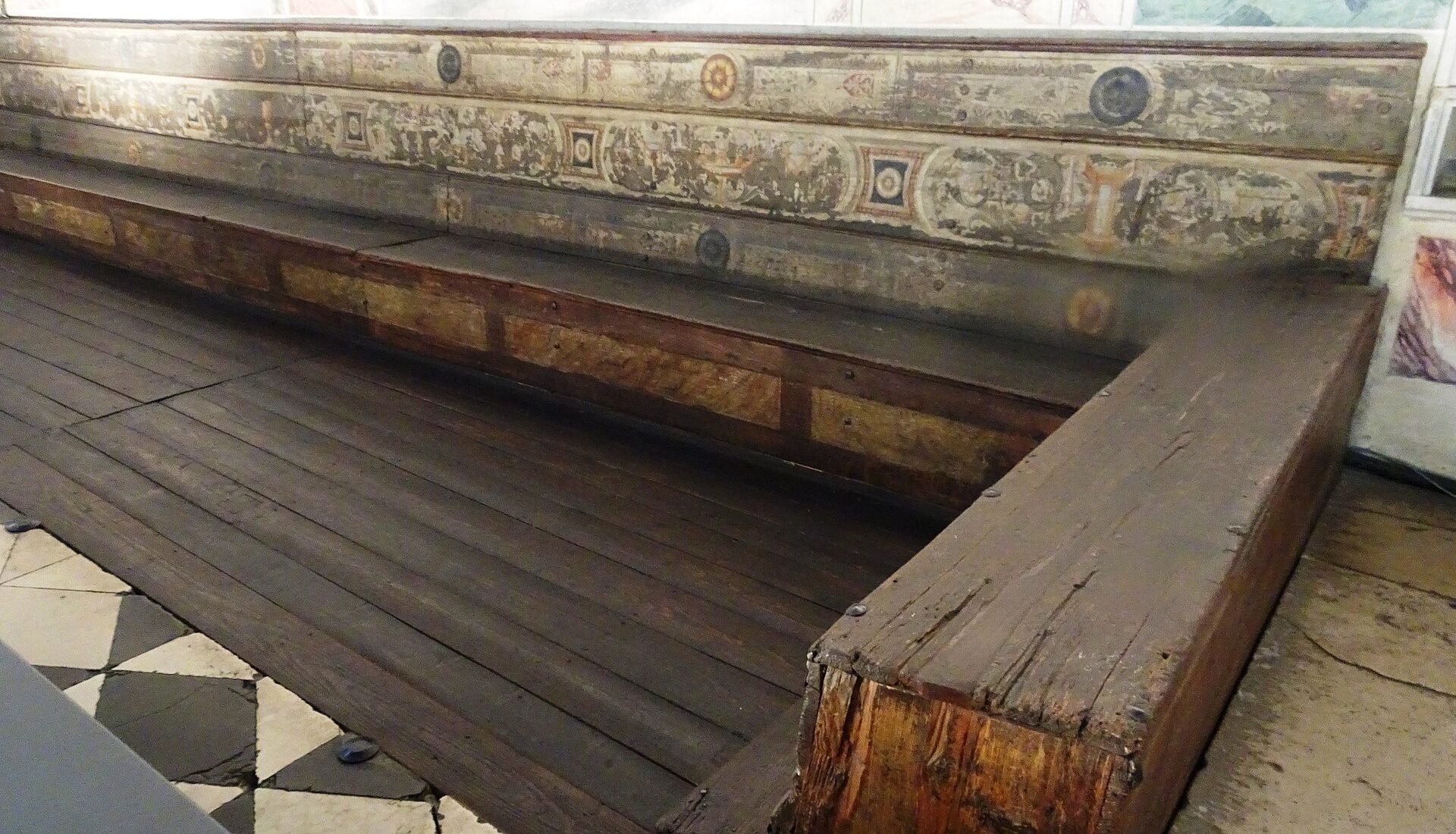
From outside the chapel is an unremarkable brick hall with a small porch. That is the point: every surface inside — walls, vault, the fictive marble dado with its Virtues and Vices — was planned as a single painted programme, and the architecture exists only to carry it.
Reading the walls
Three tiers, one story
The frescoes are arranged in bands that read like a book.
Upper tier
The lives of Joachim, Anna and the Virgin Mary.
Middle and lower tiers
The life and Passion of Christ, ending in the Lamentation and Resurrection.
The west wall
The Last Judgement, with Enrico Scrovegni himself presenting the chapel to the Virgin.
With your ticket
What you actually see with your ticket
The daytime ticket covers the chapel visit and the Musei Civici agli Eremitani next door — the archaeological collection and the museum of medieval and modern art — plus Palazzo Zuckermann from Tuesday to Sunday. The evening ticket covers the chapel only.